BIM Integration: Firestop Design for Safety

Enhancing Fire Safety through Integrated Firestop Engineering in BIM Design

In the complex process of designing buildings, the integration of firestop engineering into Building Information Modeling (BIM) design is often overlooked. By incorporating firestop engineering into BIM architects, engineers, contractors, and fire protection specialists can collaborate more effectively. This leads to safer and more compliant buildings.

BIM Design phase

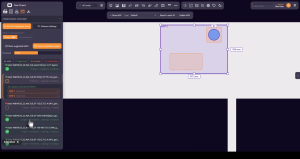
Early in the design phase, integrating firestop engineering into BIM allows for the early detection of conflicts between firestop systems and other building elements. This proactive approach minimizes costly rework and delays. It identifies and addresses clashes before construction begins. With BIM’s advanced coordination capabilities and automation opportunities, potential issues can be resolved swiftly, ensuring a cohesive and efficient design process.

Moreover, BIM facilitates precise quantity takeoffs for materials and components, including firestop systems. By incorporating firestop engineering into the BIM model, stakeholders can accurately estimate material quantities, thus optimizing usage and reducing waste. This not only benefits the project economically but also promotes environmental sustainability.

Firestop systems

Firestop systems are critical for maintaining the integrity of fire-rated assemblies and preventing the spread of fire, smoke, and toxic gases within a building. Integrating firestop engineering into BIM ensures that fire protection requirements are compliant with building codes and regulations. This enhanced compliance leads to improved safety for building occupants, providing peace of mind for designers, builders, and stakeholders alike.

BIM Platform

Furthermore, BIM serves as a centralized platform for documenting firestop details, installation instructions, and maintenance requirements. This digital representation of firestop systems facilitates ongoing maintenance activities, ensuring that fire safety standards are consistently met throughout the building’s lifecycle.

In conclusion, integrating firestop engineering into BIM design offers a multitude of benefits, including enhanced coordination, accuracy, compliance, and safety. By embracing this approach, stakeholders can collaborate more effectively, leading to the creation of safer and more resilient buildings for communities around the world.

Articles

OB Manufacturer Implementation time

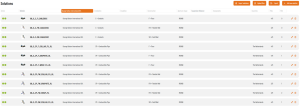
OB MANUFACTURER IMPLEMENTATION TIME Orange Button is making significant progress in connecting manufacturers and end-users within the passive fire industry. Since our platform is designed to compare every firestop solution, the implementation of a specific manufacturer’s products requires a tailored approach. Let’s begin with what our platform Needs. Solution List

Learn More »

Golden Thread Fire Delay (UK) joins Orange Button!

Exciting news, Golden Thread Fire Delay from the UK joins Orange Button! 🔶 Welcome to the Orange Button Family, Golden Thread Fire Delay! We’re excited to welcome Golden Thread Fire Delay, a passive fire protection specialist, to the Orange Button Family. Since 1994, they have been supporting clients to implement

Learn More »

AF Systems (IT) joins Orange Button!

Exciting news, AF Systems from Italy joins Orange Button! 🔶 Welcome to the Orange Button Family, AF Systems! 🇮🇹 We’re excited to welcome AF Systems, a leading Italian specialist in passive fire protection, to the Orange Button Family! Renowned for their technical expertise and commitment to innovation, AF Systems has

Learn More »

Headquarters

Leeuwenhoekstraat 48
2652 XL Berkel en Rodenrijs
The Netherlands